Gentle Root Canal Evaluation in Clintonville, Columbus, OH
When severe tooth pain won’t quit, getting a precise diagnostic assessment is the fastest path to relief. High + Henderson Dental provides swift clinical exams to identify the source of your discomfort and map out a tooth-saving plan.
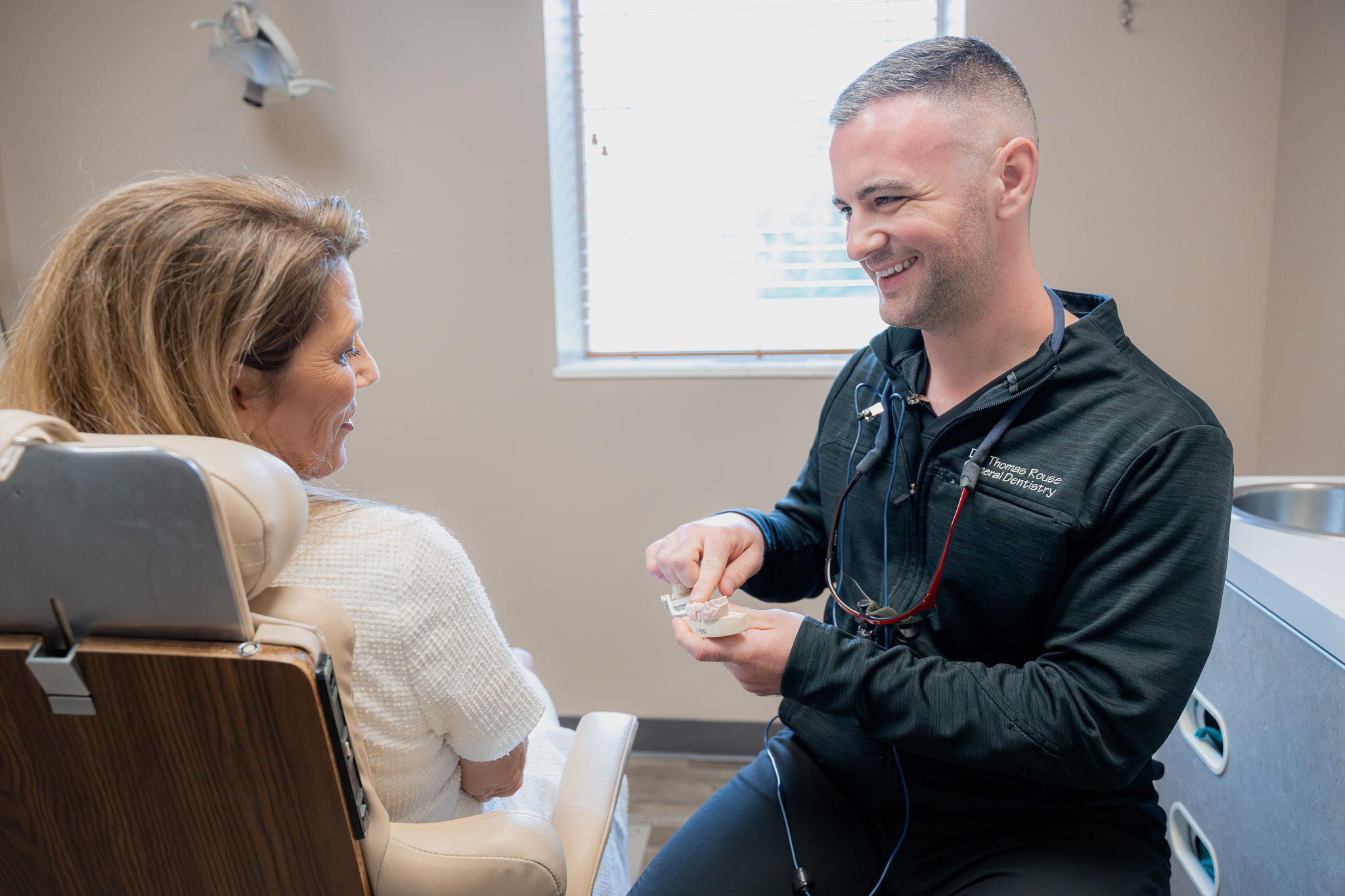
Our OSU-trained owner, Dr. Tommy Rouse, continues a longstanding neighborhood tradition at our established High Street corner. We focus on diagnostics and coordinate directly with trusted local endodontic specialists if root canal therapy is required.
Recognizing the Signs of an Infected Tooth Nerve
Some mild tooth sensitivity is temporary and resolves on its own, but specific pain patterns require a professional evaluation. Catching these signals early prevents minor issues from escalating. We work with you to understand your symptoms and protect your natural teeth.
Common symptoms of an infected tooth nerve include:
- Lingering pain after eating hot or cold foods
- Sharp discomfort when biting or chewing
- Constant throbbing that worsens when lying down
- Swelling, tenderness, or a pimple-like bump on your gums
- Darkening or discoloration of the painful tooth
If you experience facial swelling, a fever, or rapidly worsening pain, same-day contact is appropriate. Our priority is to gather a clear clinical picture before recommending any advanced restorative care.
To determine if you need a root canal in Clintonville, Columbus, OH, visit our contact page to schedule an evaluation. We focus on establishing an accurate diagnosis first before deciding on any final treatment plan.
What to Expect During Your Diagnostic Visit
An evaluation at High + Henderson Dental is structured to take the anxiety out of the unknown. Dr. Tommy Rouse applies diagnostic precision developed during his Ohio State University training and New York City residency to quickly identify the source of your dental discomfort.
We follow a clear, three-step evaluation process:
- Symptom discussion: We review your pain triggers, timeline, and what makes the discomfort fluctuate.
- Clinical examination: We gently check the surrounding gum tissue, neighboring teeth, and jaw joint.
- Targeted imaging: We take high-definition digital radiographs to examine the root structures beneath the enamel.
During this assessment, we look specifically for deep decay, cracks, failing fillings, trauma, and signs of nerve inflammation. For your comfort, we offer modern anesthetic options and explain each clinical step before starting.
We map the right path for your specific tooth, whether that means a conservative filling, a crown, an extraction, or a root canal in Clintonville, Columbus, OH, through a trusted specialist. You can learn more about how we coordinate these treatments on our services page.

Do You Need a Referral for a Root Canal in Columbus?
You do not always need a formal referral to see an endodontist, but starting with an evaluation is the most efficient path. Endodontists complete additional specialized residency training beyond dental school to focus entirely on root canal diagnosis and treatment.
At High + Henderson Dental, we coordinate your care to keep your treatment on track. Most patient journeys follow a clear three-step process:
- Diagnostic evaluation: We examine the tooth and take digital X-rays to locate the infection.
- Specialist coordination: We match you with a trusted local endodontist and transfer your clinical records.
- Crown restoration: You return to our practice for a custom crown to protect your tooth after root canal therapy.
While some specialists accept self-referrals, PPO insurance rules vary. Many networks require a general dentist’s clinical documentation for coverage, which our administrative team will prepare for you.
For urgent tooth pain, an immediate exam is the quickest path to relief. Request an evaluation through our online scheduling form or call us at (614) 268-5250.
Comparing Root Canal Therapy and Tooth Extraction
We prioritize the most predictable, long-term solution for your oral health. Keeping a natural tooth is always preferred when the remaining structure is stable, but an extraction is appropriate if a tooth is structurally unsalvageable. This decision affects your daily lifestyle, long-term chewing function, and future treatment planning.
If you are deciding on a root canal in Clintonville, Columbus, OH, dentists evaluate several practical factors:
- Timeline: A root canal usually takes two visits to complete, while an extraction is a single visit but requires months of replacement planning.
- Function: A restored natural tooth immediately regains full biting power, whereas leaving an extraction site empty eventually compromises your bite stability.
- Recovery: Post-treatment soreness is mild and manageable for both procedures, with most patients returning to normal activities quickly.
Total costs depend on the tooth type, the need for a protective crown, and your chosen replacement options. If a tooth cannot be saved, you can read about our process on our extractions service page. Our clinical assessment takes the anxiety out of this decision, helping you find the most conservative, stable option for your health.
Completing Your Restoration After Root Canal Therapy
Root canal therapy clears infection from inside a tooth, but the treated tooth remains fragile and requires a final restoration to protect your bite. Without a permanent crown or filling, the weakened tooth structure can easily fracture during normal chewing.
We evaluate several key clinical factors when planning your follow-up care:
- Tooth location: Back teeth handle heavy chewing forces and almost always require full coverage.
- Structure loss: Standard dental fillings only suit minor decay on front teeth.
- Fracture risk: Brittle teeth need dental crowns to prevent future fractures under pressure.
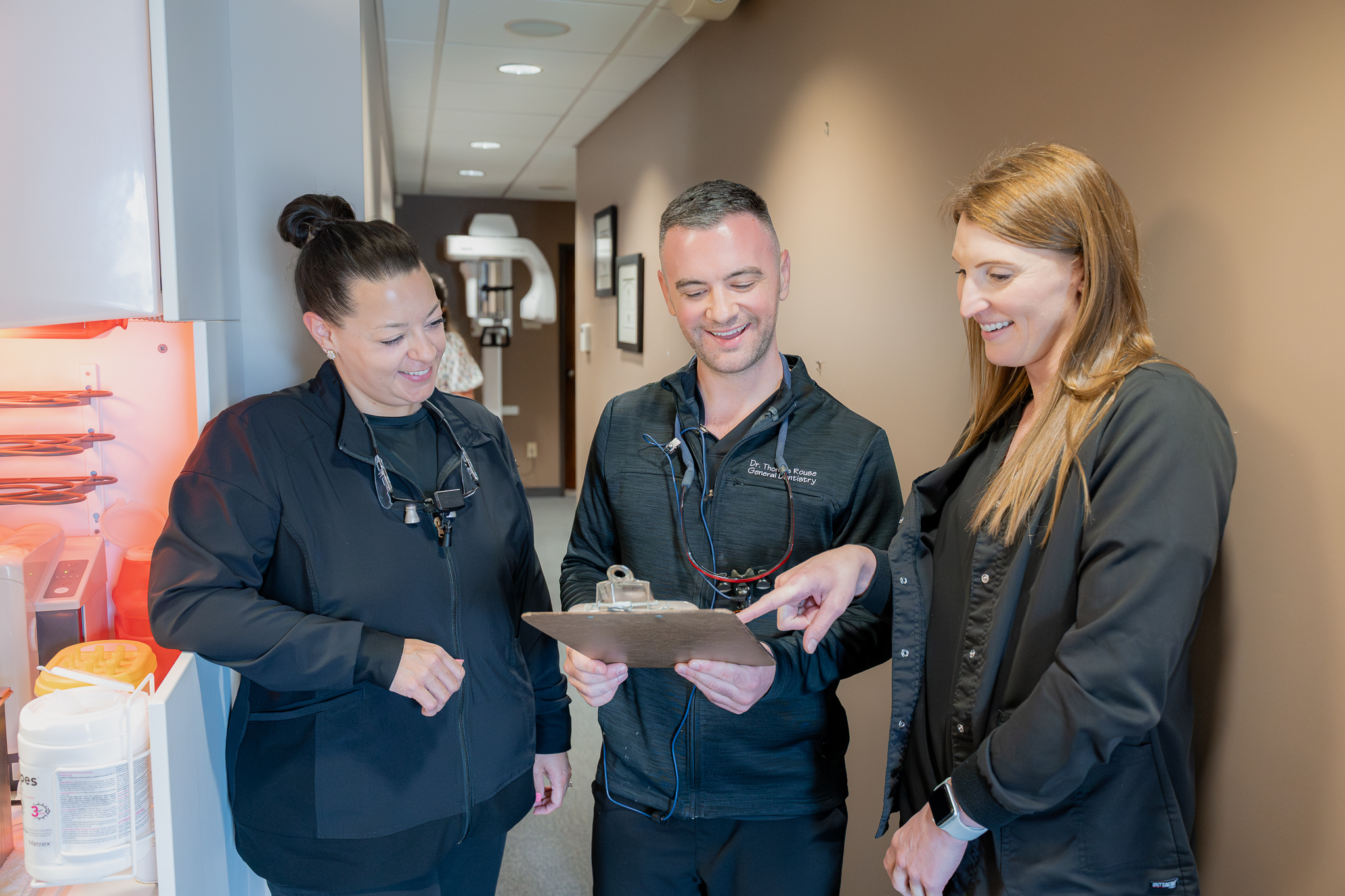
While we refer the initial therapy to trusted local specialists, High + Henderson manages your restorative phase. If you are recovering from a root canal in Clintonville, Columbus, OH, our team coordinates directly with your endodontist for a coordinated handoff.
Maintaining a continuous plan protects your tooth from future damage. Schedule an evaluation on our contact page to plan your restorative timeline.
Understanding Root Canal and Restoration Costs
Your total treatment cost depends on your specific diagnosis and care plan. A complete restorative plan typically includes an initial evaluation, digital imaging, specialized therapy if referred, and a final protective crown.
Several clinical variables shape your final out-of-pocket expenses:
We accept most major PPO insurances and are in-network with Delta Dental, Connection Dental, Superior Dental, and one Anthem PPO program, though we do not accept Medicaid. For out-of-pocket costs, we partner with CareCredit for larger treatment plans and Sunbit for smaller balances.
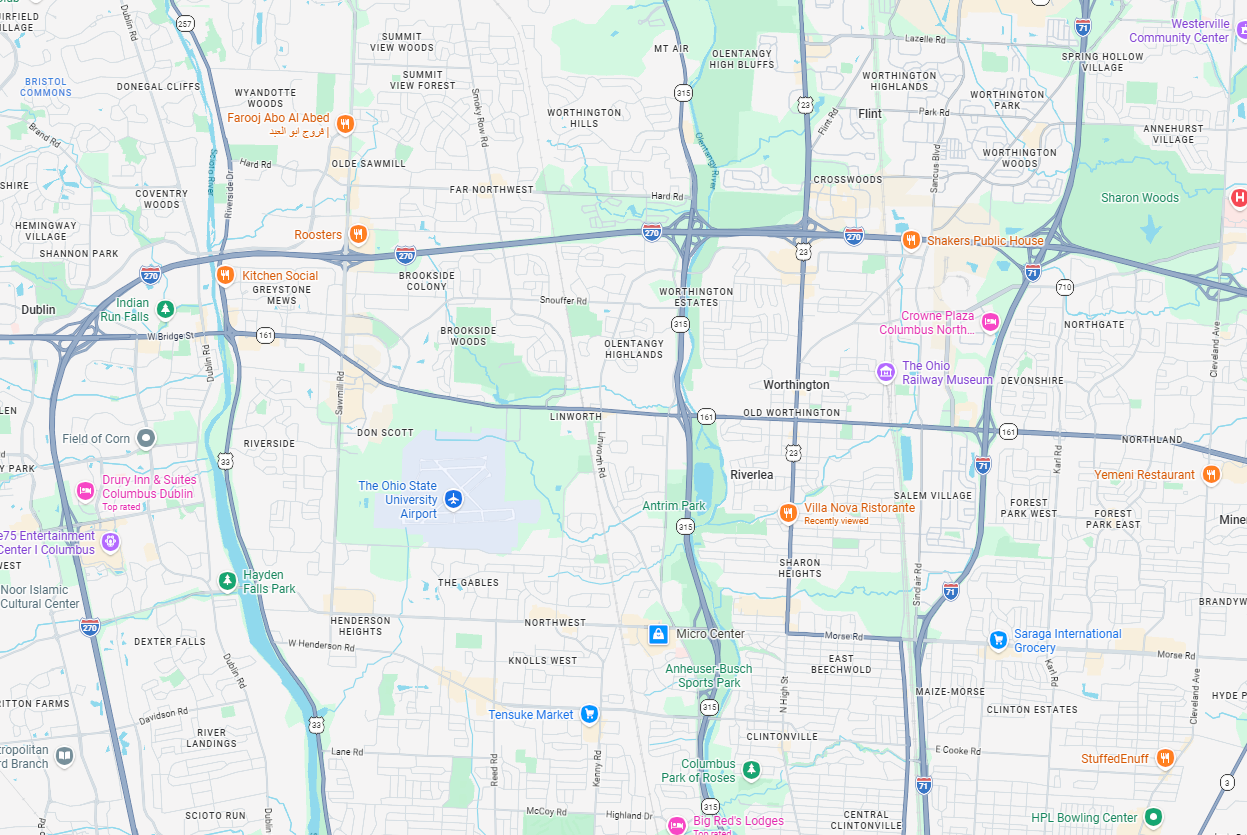
If you need a root canal in Clintonville, Columbus, OH, our team will provide a clear clinical assessment. Schedule an evaluation through our contact page to receive a personalized treatment plan and estimate. You can also visit our office at 4345 N High Street, at the corner of High and Henderson.
Root Canal Evaluations: Common Questions and Answers
Do I need a referral to see an endodontist in Columbus?
Referral rules vary by insurance. Some providers allow you to schedule directly with an endodontist, while others require general dentist documentation first. An initial evaluation at our Columbus office can generate the necessary clinical paperwork for your claim. Calling both the specialist and your insurance plan is the fastest way to confirm your benefits. If you are in severe pain, do not wait to request an appointment.
How do I know if my tooth pain means I need a root canal?
Common symptom patterns like lingering hot or cold sensitivity, sharp pain when biting, or localized gum swelling often point to nerve damage. Not all toothaches require endodontic treatment, since some discomfort stems from minor decay. A professional evaluation and high-resolution digital imaging are the only ways to accurately determine the underlying cause of your pain and plan your care.
Is a root canal painful?
Modern local anesthetics make root canal treatment highly tolerable for the vast majority of patients. Dental anxiety is common, and we encourage you to share your concerns with us upfront so we can keep you comfortable. Some mild post-treatment soreness is normal, but the urgent, throbbing pain of the active infection typically improves significantly as soon as your care begins.
Should I choose a root canal or a tooth extraction?
An extraction might seem like a quicker single step, but planning, placing, and restoring a replacement tooth takes considerable time. Saving your natural tooth preserves your bite alignment and reduces downstream dental work like implants or bridges. A diagnostic evaluation at our office allows us to weigh both options and determine which path offers the most predictable long-term outcome for your smile.
Will I need a crown after a root canal?
A protective dental crown is highly recommended after endodontic therapy, particularly for back molars that endure heavy chewing forces. Removing the infected nerve tissue leaves the remaining tooth brittle and highly susceptible to fractures. Whether you need a full crown or a conservative restoration depends entirely on how much healthy tooth structure remains.
What if it is not a root canal?
If your tooth does not require endodontic therapy, we offer several restorative treatments to return your mouth to full function. We can repair minor decay with dental fillings or place custom crowns, while completely unsalvageable teeth may require gentle extractions. You can view our complete clinical menu by visiting our primary services page.
Contact our team through our scheduling page to book your priority diagnostic evaluation today.