Dental Bone Grafting in Clintonville, Ohio
Jawbone loss can quietly make dental implants impossible — unless you address it first. At High + Henderson Dental, we perform bone grafting procedures that rebuild your jawbone and create a stable foundation for implants. Our neighborhood office at the corner of High and Henderson has served Clintonville families for over 47 years, and our team handles every step of your pre-surgical planning and final restoration.
Bone Grafting for Dental Implants in Clintonville, Ohio
Dental bone grafting is a predictable procedure that rebuilds jawbone volume so a future dental implant has stable support. When a tooth is missing, the surrounding bone naturally begins to shrink because it lacks stimulation from chewing.
We typically recommend this step for patients who present with:
- A tooth that has been missing for several months
- A history of advanced gum disease that weakened the socket
- Natural bone changes immediately following an extraction
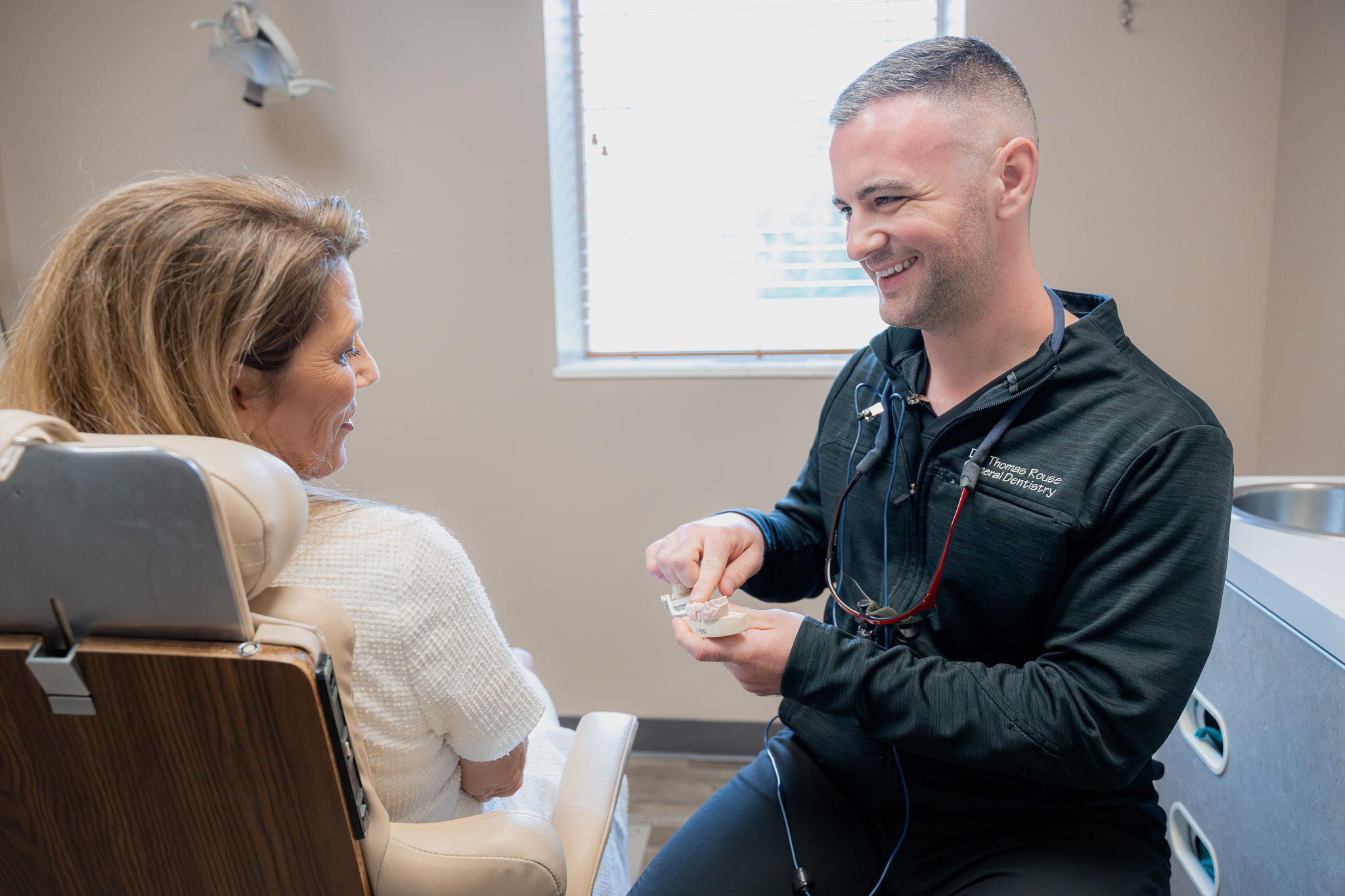
Dr. Rouse diagnoses your jawbone density through thorough exams and digital imaging to confirm optimal implant positioning and long-term stability. While we coordinate the surgical placement with trusted Columbus specialists, our team handles your initial planning and final restoration.
Our dental implants page walks you through the full process, from initial evaluation through final placement. When you are ready to build a treatment plan, contact us to schedule an evaluation at our High Street office.
Socket Preservation in Clintonville: Planning for Your Future Implant
After an extraction, the empty tooth socket quickly begins to lose its shape and bone density. To prevent this, Dr. Rouse performs socket preservation, clinically termed alveolar ridge preservation. We place bone graft material into the socket immediately after removing the tooth to preserve your natural jaw shape.
- We gently remove the compromised tooth.
- We place sterile bone graft material into the empty socket.
- We apply a protective membrane and secure the site with sutures.
This treatment is ideal if you plan to replace the tooth with an implant, especially in visible or bite-critical areas. Addressing bone loss early during your tooth extraction appointment preserves your jaw contours and cuts down on the need for more complex grafting later. To discuss a unified extraction and preservation plan, contact us to request an appointment.
Ridge Augmentation: Rebuilding Bone After Long-Term Tooth Loss
When a tooth is missing for months or years, the jawbone naturally shrinks. This leaves the ridge too narrow or short for stable implant placement. While socket preservation is done at the time of extraction, ridge augmentation is a planned procedure to rebuild lost bone volume after the fact.
During the procedure, Dr. Rouse places biocompatible material over the recessed ridge, often using a protective membrane for guided bone regeneration. The graft material is selected based on your needs and can include donor, animal-derived, synthetic, or your own bone. Over several months of healing, your body replaces this with strong, living bone — rebuilding the foundation needed for correct implant positioning.
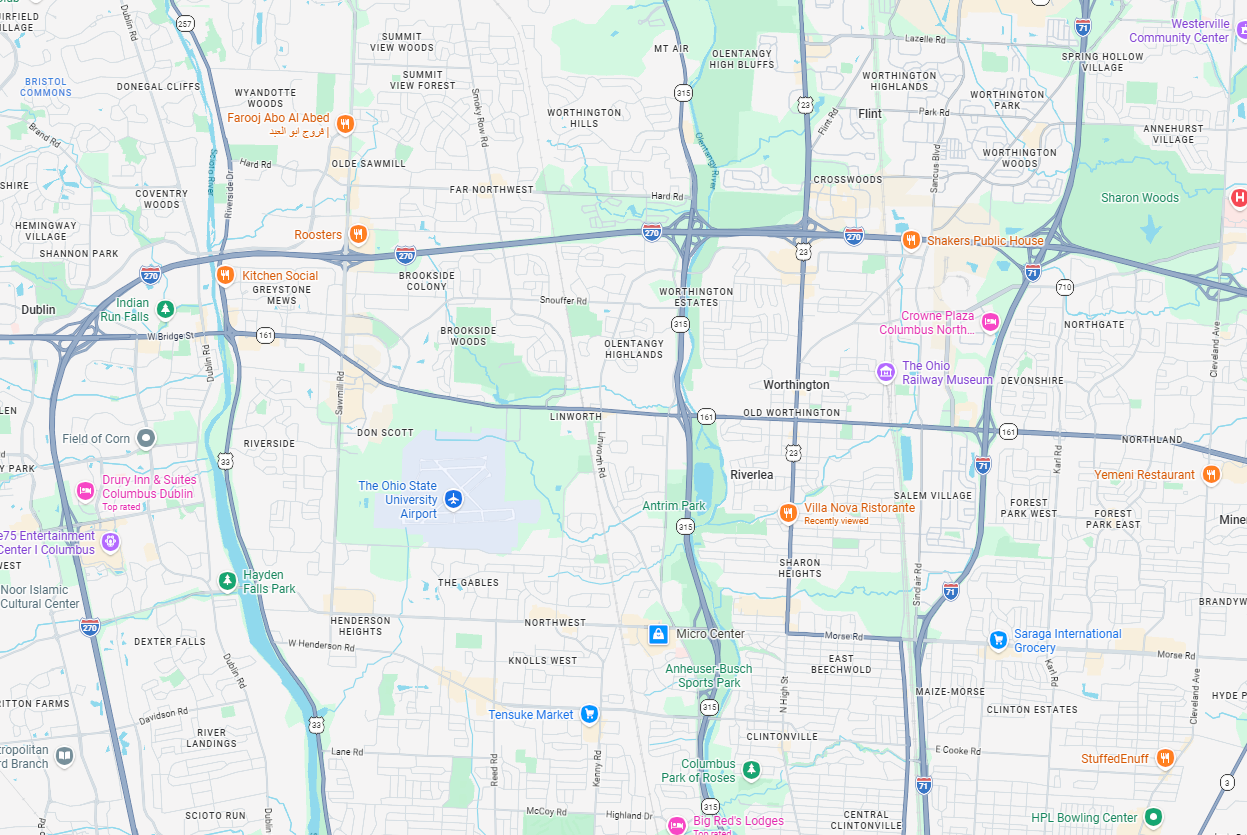
For patients in Clintonville, Ohio, looking for bone grafting dental care, High + Henderson Dental is convenient to Worthington and North Columbus.
Your Bone Graft Recovery Timeline and Costs
Healing from a dental bone graft happens in two distinct stages. Initial soft-tissue recovery takes one to two weeks, during which swelling and tenderness steadily improve. Deeper bone integration takes three to six months to mature, though individual timelines vary based on the graft size and your overall health.
To support your recovery, follow these guidelines:
- Eat soft foods for the first few days to protect the site.
- Keep your mouth clean by following our rinsing instructions.
- Avoid smoking and tobacco, which can cause graft failure.
- Take all prescribed medications exactly as directed.
Your total investment depends on the graft size, the materials used, whether we place a protective membrane, and whether we combine the procedure with an extraction. We provide itemized estimates before treatment and offer financing options like CareCredit and Sunbit.
Frequently Asked Questions About Dental Bone Grafting
How do I know if I need a bone graft before an implant?
You will need a bone graft if physical exams and digital X-rays show your jawbone is too thin or soft to hold an implant. Adequate bone volume is necessary so the implant post fuses securely with your jaw. If a tooth has been missing for several months, the bone naturally shrinks. Dr. Rouse evaluates your bone density during your initial dental implants consultation.
What is the difference between socket preservation and ridge augmentation?
Socket preservation is performed immediately during a tooth extraction to prevent bone loss before it starts. Ridge augmentation is a reconstructive procedure used to rebuild lost bone volume after a tooth has been missing for several months or years. Socket preservation keeps the socket walls from collapsing; ridge augmentation actively restores the natural contours of your jaw.
What types of bone graft materials are used?
Dentists use four primary graft materials: your own bone, human donor bone, animal-derived bone, and synthetic minerals. The best material depends on your health history, the location of the graft, and your preferences. Sterile donor tissue is highly predictable and eliminates the need for a second surgical site, while synthetic options promote natural bone healing without donor tissue.
Does a dental bone graft hurt?
You will not feel pain during the procedure because we fully numb the treatment area using local anesthesia. Once the numbing wears off, most patients experience mild soreness and swelling for a few days. Over-the-counter pain relievers are generally sufficient to manage this temporary discomfort. Call our office if your swelling or discomfort worsens after three days.
How long after a bone graft can I get my implant?
Most patients wait three to six months after a bone graft before implant placement. This allows your body to turn the graft material into solid, living bone strong enough to support the implant. At High + Henderson Dental, we coordinate your treatment timeline with your oral surgeon to place the implant at the optimal time.
How much does a dental bone graft cost in Columbus, and will insurance help?
The cost varies based on the size of the graft, the materials used, and your specific treatment plan. Coverage depends on your dental plan and whether the graft is deemed medically necessary. We provide a written estimate before starting work and offer financing through CareCredit and Sunbit.
If you have experienced jawbone loss and need bone grafting dental care in Clintonville, Ohio, High + Henderson Dental is here to help. We offer thorough evaluations, honest estimates, and a clear restoration plan from our neighborhood practice on High Street. You can also explore our dental services menu or learn about implant-supported dentures if you are planning to replace multiple missing teeth.