Dental Bonding in Clintonville, Ohio
At High + Henderson Dental, we offer tooth bonding to repair minor chips, close small gaps, and improve discoloration in a single visit. This affordable, non-invasive treatment restores your smile without altering your natural enamel.
Dr. Tommy Rouse provides personalized, owner-dentist care at our neighborhood office at the corner of High and Henderson. Before starting treatment, you can compare our cosmetic and restorative services to find the best option for your goals.
Who is a Candidate for Dental Bonding?
We use dental bonding in Clintonville, Ohio to resolve minor cosmetic flaws in a single, comfortable visit. During this process, we apply a pliable, tooth-colored composite resin directly to your enamel, sculpting and hardening it to blend naturally with your natural teeth.

This conservative treatment is highly effective for correcting:
- Small chips or worn enamel edges
- Minor gaps between your front teeth
- Slightly asymmetrical or misshapen teeth
- Isolated, single-tooth discoloration
Because composite resin is sculpted directly on the tooth, it is best for minor cosmetic adjustments rather than major structural damage. If you have large fractures, heavy bite pressure, or want maximum stain resistance, custom porcelain veneers or crowns are more durable alternatives.
We also use this same composite material for restorative dental fillings to treat active decay. However, dental insurance plans handle restorative treatments and cosmetic enhancements differently, which can affect your out-of-pocket coverage. Our team always provides a clear cost estimate before your treatment begins.
What to Expect During Your Dental Bonding Visit
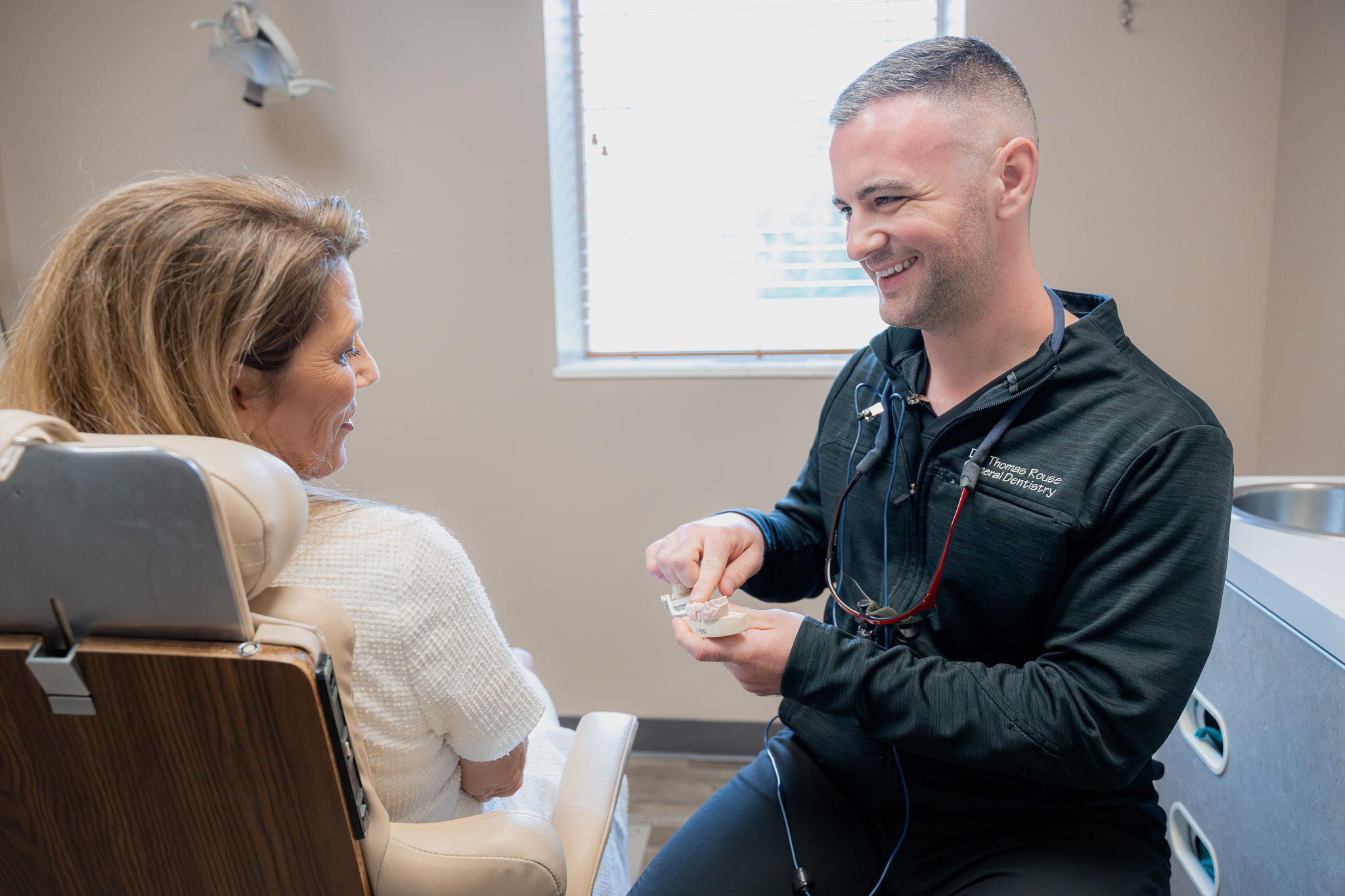
We make the process straightforward, predictable, and comfortable. Most procedures are completed in a single visit, taking thirty to sixty minutes per tooth with minimal preparation and typically no anesthesia.
A lifelike result relies on precise clinical skill during the sculpting, shade-layering, and final bite adjustment. Our conservative, restorative-minded approach means your tooth looks natural and functions reliably. To discuss dental bonding in Clintonville, Ohio, schedule a consultation with our team.
Understanding the Cost of Dental Bonding
Dental bonding is highly cost-effective, but fees depend on your specific needs. Key cost drivers include the number of teeth treated and the repair size. Smoothing a minor chipped edge is a fast, simple process, while rebuilding a larger fracture requires more time and composite material. Any required diagnostics, like digital X-rays or decay treatment, also affect the final estimate.
Insurance and Out-of-Pocket Estimates
Insurance coverage depends on whether the dental bonding in Clintonville, Ohio is restorative or cosmetic. Restoring structural damage from a fracture or treating decay is usually covered by PPO plans. Purely cosmetic adjustments, like closing small gaps, typically are not covered.
Our practice is in-network with several PPO plans:
- Delta Dental
- Connection Dental
- Superior Dental
- One Anthem PPO program
We do not accept Medicaid. For larger treatments, we offer financing through CareCredit and Sunbit. We provide complete financial transparency with upfront estimates before clinical work begins. Request a consultation to get a written estimate after an exam with Dr. Rouse.
Dental Bonding vs. Porcelain Veneers
Choosing the right cosmetic treatment requires balancing durability, stain resistance, enamel preparation, and your aesthetic goals. Patients considering dental bonding in Clintonville, Ohio, often compare this direct composite method to porcelain veneers to determine which treatment fits their lifestyle.
- Durability: Veneers offer long-lasting wear, while bonding is more susceptible to wear from daily bite pressure.
- Stain resistance: Porcelain resists staining from dark liquids, while composite resin can discolor over time.
- Enamel preservation: Bonding requires no tooth reduction, while veneers require removing a thin layer of enamel.
- Best-use scenarios: Bonding quickly repairs a single chipped tooth, while veneers are ideal for multi-tooth makeovers.
Other dental alternatives can also address your aesthetic goals. Professional teeth whitening brightens your overall shade, while custom dental veneers provide comprehensive structural changes. If you need to rebuild a tooth after decay, we use durable tooth-colored fillings rather than cosmetic bonding.
To determine the best approach for your bite, schedule a consult at our High Street office.
Dental Bonding Frequently Asked Questions
How long does dental bonding last?
Dental bonding typically lasts between three and ten years before it needs to be touched up or replaced. Its overall lifespan depends on the location of the treated tooth and your daily oral habits. Avoiding hard foods, ice chewing, and fingernail biting protects the composite material from premature chipping. Consistent home care and regular professional cleanings at our office will also help extend the life of your restoration.
Does composite bonding stain?
Composite resin can stain over time because it is more porous than natural tooth enamel or custom porcelain. Frequent consumption of coffee, red wine, tea, or tobacco products will gradually discolor the material. While professional teeth whitening treatments will not change the shade of an existing restoration, regular dental cleanings and professional polishing can help minimize surface staining.
How much does dental bonding cost in Columbus?
The cost of dental bonding in Columbus varies depending on the number of teeth being treated, the size of each restoration, and whether the procedure is restorative or purely cosmetic. Minor chips require less composite material and time than rebuilding a fractured front tooth. We provide a complete, written cost estimate after a comprehensive dental exam. You can request a consultation with our team to get a personalized cost breakdown before your treatment begins.
Will my dental insurance cover bonding?
Dental insurance coverage usually depends on whether the bonding is deemed medically necessary or purely cosmetic. Plans often cover bonding used to repair structural damage from decay or a fracture, while cosmetic enhancements like closing small gaps are typically paid out of pocket. Our office is in-network with Delta Dental, Connection Dental, Superior Dental, and select Anthem PPO plans, and we are happy to help you calculate your expected benefits.
Bonding vs. veneers: which looks more natural?
Both cosmetic options can produce highly natural results when crafted with clinical precision. Custom porcelain veneers offer superior stain resistance and a translucent quality that closely mimics natural enamel over a longer period. However, dental bonding remains a highly conservative and fully repairable alternative that requires no permanent removal of your natural tooth structure. The best choice depends on your long-term aesthetic goals and your bite alignment.
How many teeth can be bonded in one visit?
We can easily restore a single tooth during a standard appointment, and treating multiple teeth in a single visit is often possible depending on the complexity of your case. Dr. Rouse carefully plans these appointments to respect your time, making sure we complete your treatment efficiently. Our team coordinates your visit to work with your schedule.
To explore our complete range of cosmetic and restorative services, visit our dedicated treatments page. Contact our Clintonville office today to schedule your cosmetic consultation and restore your smile.